
 sahmiyesuldaan@gmail.com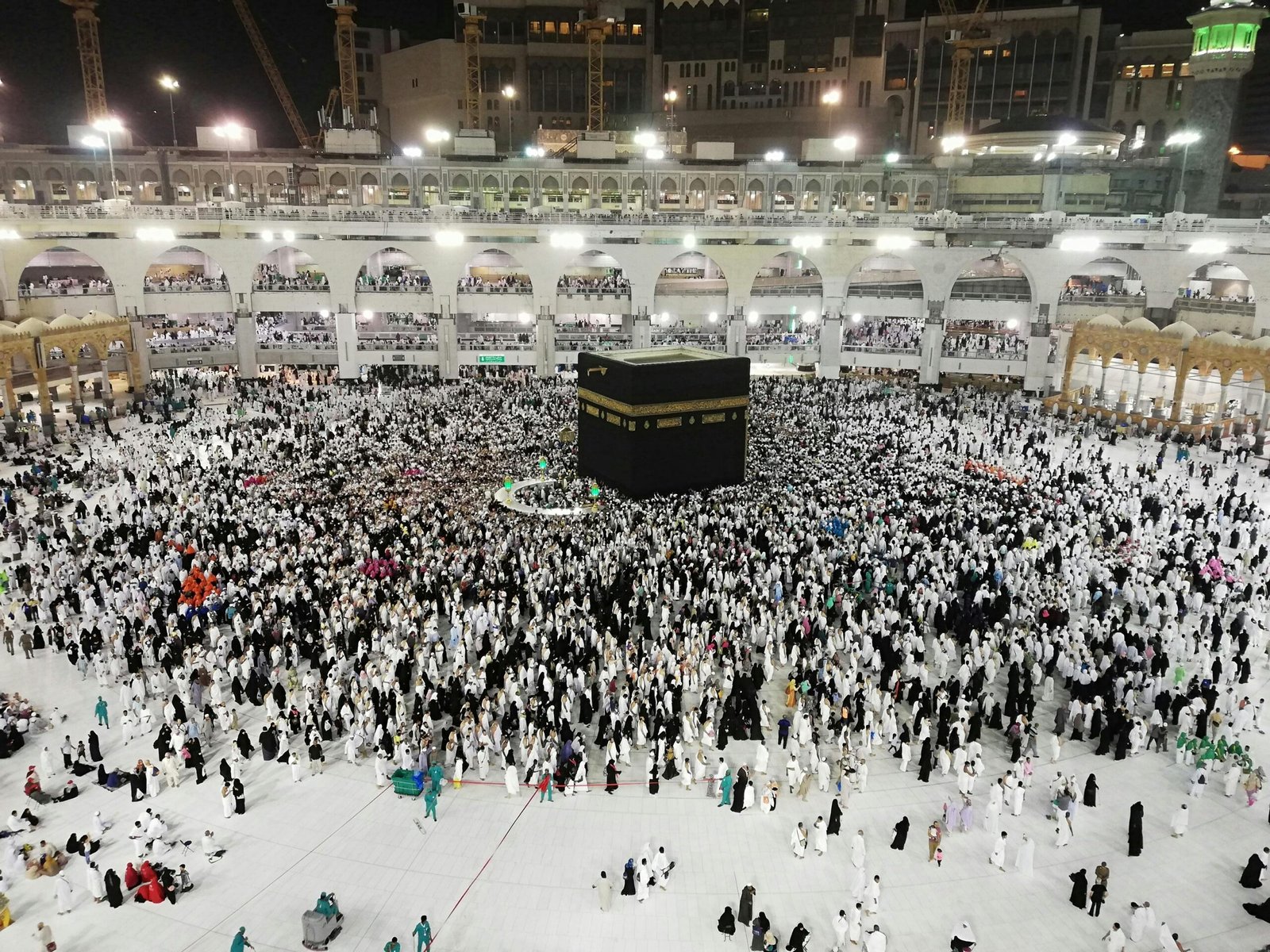
Introduction
Makkah, also known as Mecca, is one of the most important and sacred cities in the world. Located in the western region of Saudi Arabia, Makkah holds immense religious significance for over 1.9 billion Muslims globally. Every year, millions of pilgrims visit this holy city to perform Hajj and Umrah, making it one of the most visited spiritual destinations in the world. Beyond its religious importance, Makkah is a city of rich history, stunning Islamic architecture, and a profound atmosphere of peace and devotion.
Historical Background
Makkah’s history dates back thousands of years. According to Islamic tradition, the city was home to Prophet Ibrahim (Abraham) and his son Prophet Isma’il (Ishmael), who were instructed by Allah to build the Kaaba—the holiest site in Islam. Over the centuries, Makkah became a center for trade, culture, and spiritual life in the Arabian Peninsula.
The revelation of the Qur’an to Prophet Muhammad (peace be upon him) in Makkah in the 7th century marked a turning point in world history. Today, Makkah stands as a living symbol of Islamic unity and devotion.
The Sacred Kaaba
At the heart of Makkah lies the Masjid al-Haram (The Grand Mosque), the largest mosque in the world. The Kaaba, a cube-shaped structure draped in a black cloth called the Kiswah, is the focal point of Muslim prayer. Five times a day, Muslims across the globe turn their faces toward the Kaaba during prayer, symbolizing unity and equality.
Pilgrims circumambulate the Kaaba in an act known as Tawaf, expressing their devotion to Allah. The sight of millions of worshippers moving in harmony around the Kaaba is one of the most awe-inspiring experiences in the world.
Hajj and Umrah Pilgrimages
Makkah is the destination for two major pilgrimages:
- Hajj – An annual pilgrimage and one of the Five Pillars of Islam, required at least once in the lifetime of every able Muslim.
- Umrah – A non-mandatory pilgrimage that can be performed at any time of the year.
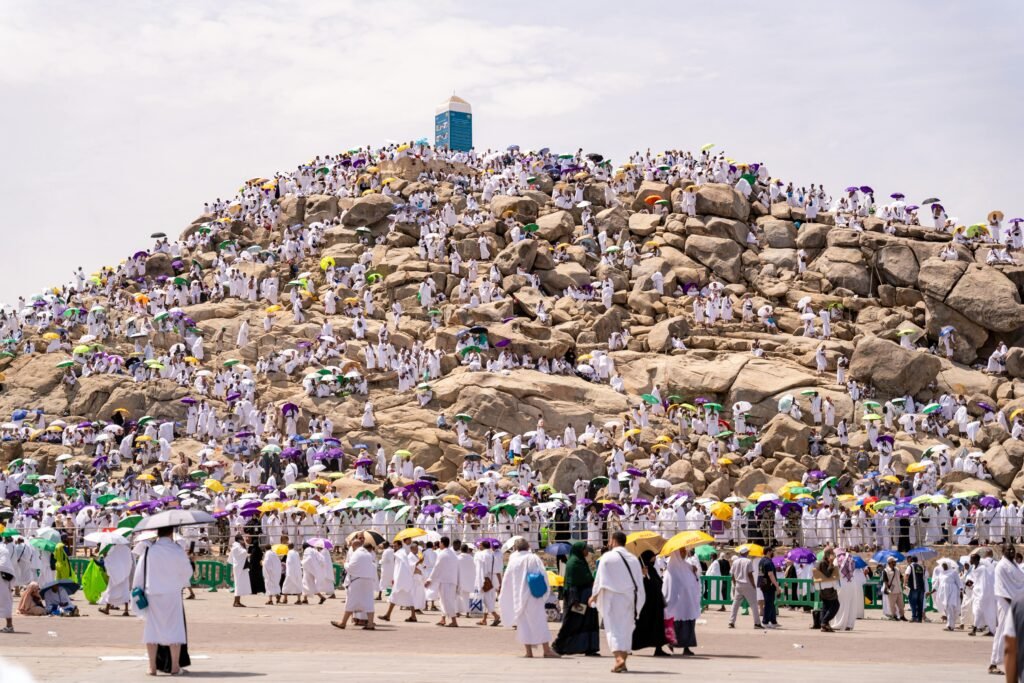
Both rituals include visiting important sites such as Mount Arafat, Mina, and Muzdalifah, each carrying deep spiritual meaning.
Religious and Cultural Sites in Makkah
- Masjid al-Haram – The largest mosque in the world, housing the Kaaba and offering space for over two million worshippers during Hajj.
- Zamzam Well – A miraculous water source believed to have been provided by Allah for Hajar and her son Isma’il. Pilgrims drink from it for blessings.
- Mount Safa and Mount Marwah – Pilgrims walk between these hills during the Sa’i ritual, reenacting Hajar’s search for water.
- Jabal al-Nour – The mountain where the Cave of Hira is located, where Prophet Muhammad received the first revelation of the Qur’an.
Modern Makkah
While Makkah preserves its sacred history, it has also embraced modernity to accommodate the growing number of pilgrims. The city features world-class hotels, transportation systems, and infrastructure to serve millions of visitors each year.
The Abraj Al Bait Towers, one of the tallest buildings in the world, stands adjacent to the Grand Mosque, offering luxury accommodations and stunning views of the Kaaba. Shopping malls, traditional markets (souqs), and fine dining options are available for pilgrims and travelers alike.
Cultural Etiquette for Visitors
Since Makkah is a holy city, non-Muslims are not permitted to enter. Muslim visitors are expected to dress modestly, follow Islamic practices, and maintain the sanctity of the city. Photography is generally allowed in public areas, but respect for worshippers and sacred rituals is essential.
The Spiritual Atmosphere
What sets Makkah apart from any other city is the profound sense of peace and unity. Here, cultural and linguistic differences fade away as Muslims from every corner of the globe gather for one purpose: worshiping Allah. The chants of “Labbaik Allahumma Labbaik” during Hajj, the sight of people from different nations praying shoulder-to-shoulder, and the air filled with devotion create a spiritual experience that words can barely capture.
Travel Tips for Makkah
- Best Time to Visit: Umrah can be performed year-round, but cooler months (November–February) are more comfortable.
- Booking Accommodation: Reserve hotels well in advance during Hajj and Ramadan seasons.
- Health & Safety: Stay hydrated, wear comfortable footwear, and follow crowd safety guidelines.
- Language: Arabic is the official language, but English, Urdu, and Bahasa are widely understood by service staff.
Conclusion
Makkah is not just a city—it is a spiritual journey, a place of divine connection, and a symbol of unity for the Muslim Ummah. Every stone, every call to prayer, and every step taken here carries centuries of history and devotion. For Muslims, visiting Makkah is a once-in-a-lifetime dream that transforms hearts and strengthens faith.
SEO Title: Makkah Travel Guide: History, Pilgrimage, and Sacred Sites
Meta Description: Discover the beauty and spirituality of Makkah, the holiest city in Islam. Learn about its history, sacred sites, and tips for pilgrims visiting for Hajj or Umrah.
Focus Keyword: Makkah Travel Guide
Tags: Makkah pilgrimage, Hajj and Umrah, Grand Mosque, Kaaba, Islamic travel, Saudi Arabia tourism