
 sahmiyesuldaan@gmail.com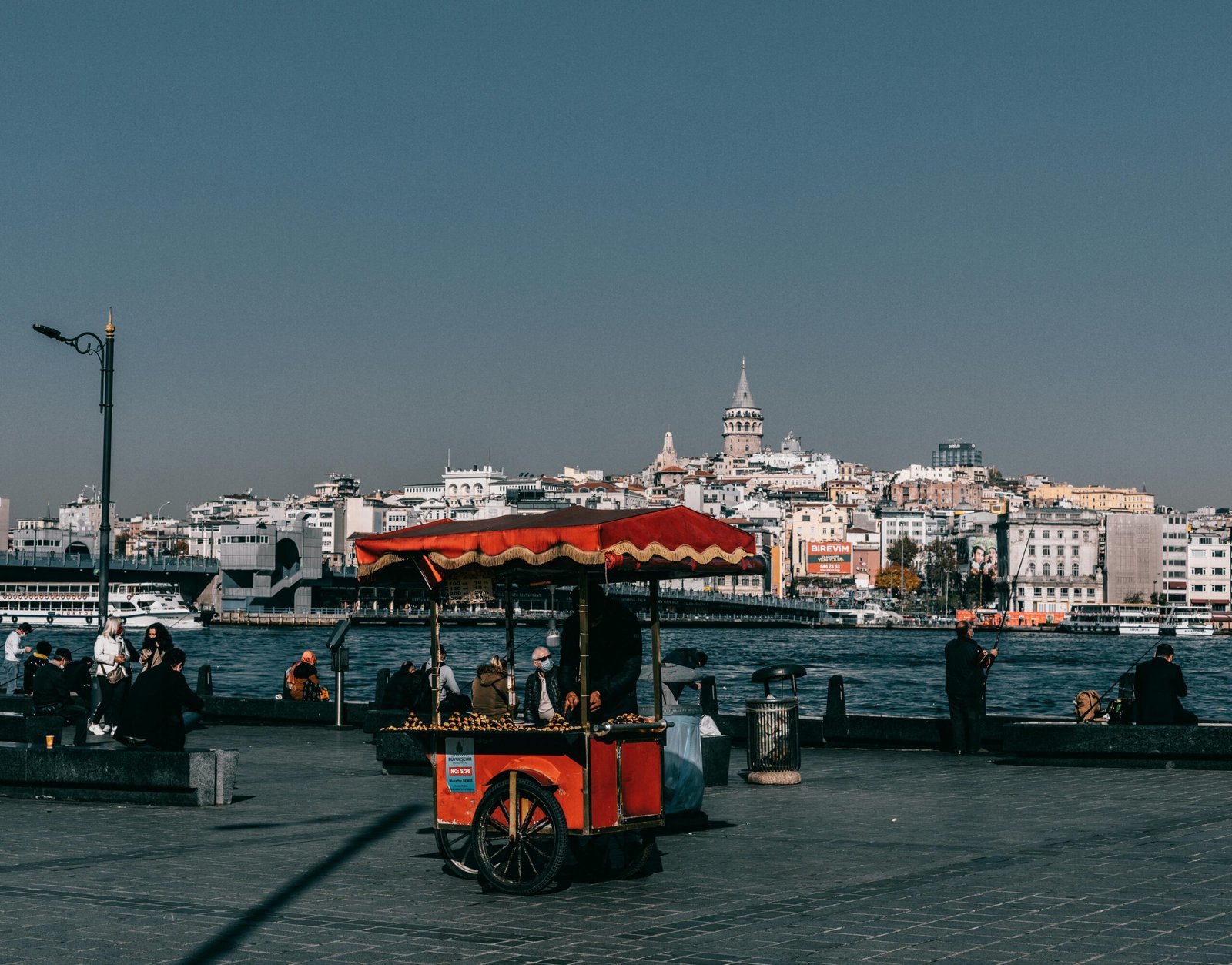
Introduction: The Magic of Istanbul
Istanbul, Turkey’s largest city, is where East meets West and where Europe and Asia embrace across the shimmering waters of the Bosporus Strait. Once known as Byzantium and later Constantinople, this city has been the heart of empires for over 2,500 years. Today, it stands as a vibrant blend of ancient history, Islamic culture, modern lifestyle, and bustling trade.
In this Istanbul Travel Guide, we’ll explore the rich heritage, must‑see attractions, cultural highlights, and travel tips you need for an unforgettable journey to the gateway of the Middle East.
1. A Brief History of Istanbul
Istanbul’s history reads like a living museum.
- Byzantium (660 BCE) – Founded by Greek settlers.
- Constantinople (330 CE) – Became the capital of the Eastern Roman (Byzantine) Empire under Emperor Constantine.
- Ottoman Empire (1453–1922) – Captured by Sultan Mehmed II, turning it into the Ottoman capital for nearly five centuries.
- Modern Istanbul (1923–present) – After the founding of the Republic of Turkey, Ankara became the capital, but Istanbul remained the cultural and economic center.
2. Geography and Climate
Istanbul straddles two continents — Europe and Asia — separated by the Bosporus. It’s divided into:
- European side – Historic landmarks, shopping districts, and nightlife.
- Asian side – Quieter neighborhoods, scenic views, and local markets.
Climate:
- Spring (Mar–May) – Mild and beautiful, great for sightseeing.
- Summer (Jun–Aug) – Hot and busy with tourists.
- Autumn (Sep–Nov) – Warm and less crowded.
- Winter (Dec–Feb) – Cool, sometimes snowy, with fewer visitors.
3. Top Attractions in Istanbul
Hagia Sophia (Ayasofya)
Once a Byzantine cathedral, later an Ottoman mosque, and now a functioning mosque again, Hagia Sophia is Istanbul’s most iconic landmark, famous for its massive dome and breathtaking mosaics.
Blue Mosque (Sultan Ahmed Mosque)
Built in the 17th century, the Blue Mosque is named for the blue Iznik tiles that adorn its interior. It’s still an active place of worship.
Topkapi Palace
The lavish palace of the Ottoman sultans for nearly 400 years, featuring ornate courtyards, imperial chambers, and a stunning treasury.
Grand Bazaar
One of the world’s oldest and largest covered markets with over 4,000 shops selling carpets, jewelry, spices, and souvenirs.
Basilica Cistern
An underground marvel built in the 6th century, supported by hundreds of ancient columns.
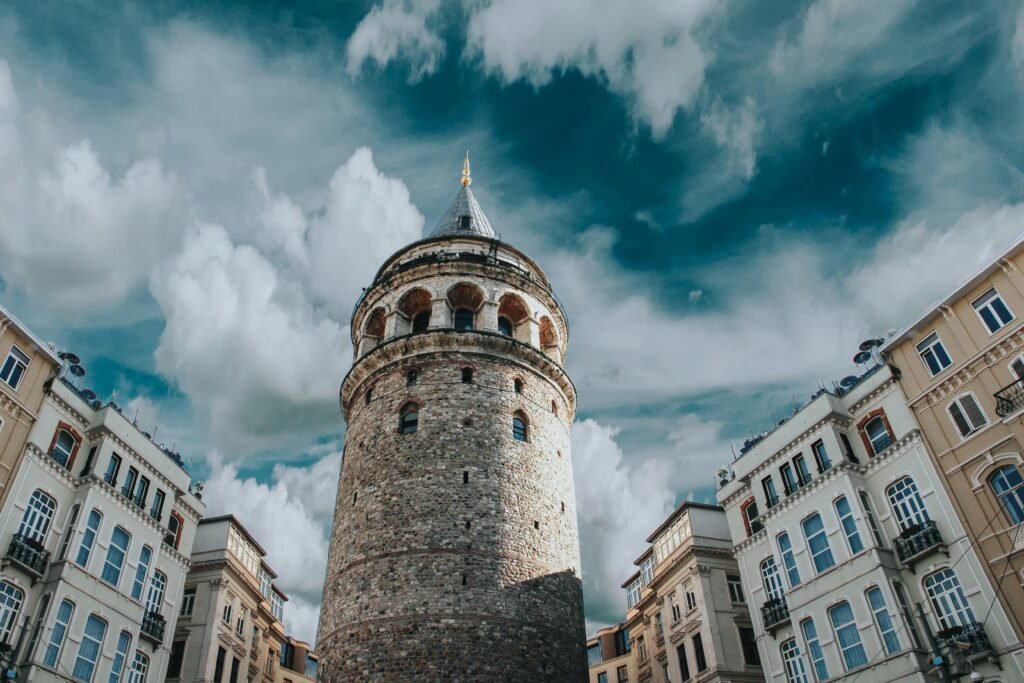
Galata Tower
A medieval stone tower offering panoramic views of the city skyline and Bosporus.
4. Cultural Experiences
Turkish Baths (Hammams)
Relax and rejuvenate with a traditional Turkish bath ritual — famous hammams include Cagaloglu and Suleymaniye.
Whirling Dervishes
Experience the spiritual Sufi dance ceremony, a UNESCO‑recognized tradition.
Local Neighborhoods
- Beyoglu – Trendy cafés, art galleries, and nightlife.
- Balat – Colorful houses and historical charm.
- Kadikoy – Vibrant markets on the Asian side.
5. Istanbul’s Food Scene
Istanbul is a food lover’s paradise with flavors influenced by Ottoman, Middle Eastern, and Mediterranean cuisines.
Must‑try dishes:
- Kebabs – Grilled meats served with fresh bread and salad.
- Meze – Small plates like hummus, stuffed grape leaves, and eggplant dips.
- Baklava – Sweet pastry layered with nuts and honey syrup.
- Turkish Tea (Cay) – Served everywhere in small tulip‑shaped glasses.
- Turkish Coffee – Strong and aromatic, a centuries‑old tradition.
6. Shopping in Istanbul
- Grand Bazaar – Carpets, spices, gold, and handicrafts.
- Spice Bazaar (Misir Carsisi) – Exotic spices, teas, and Turkish delights.
- Istiklal Avenue – Modern shopping street with boutiques and restaurants.
7. Cruises and Bosporus Views
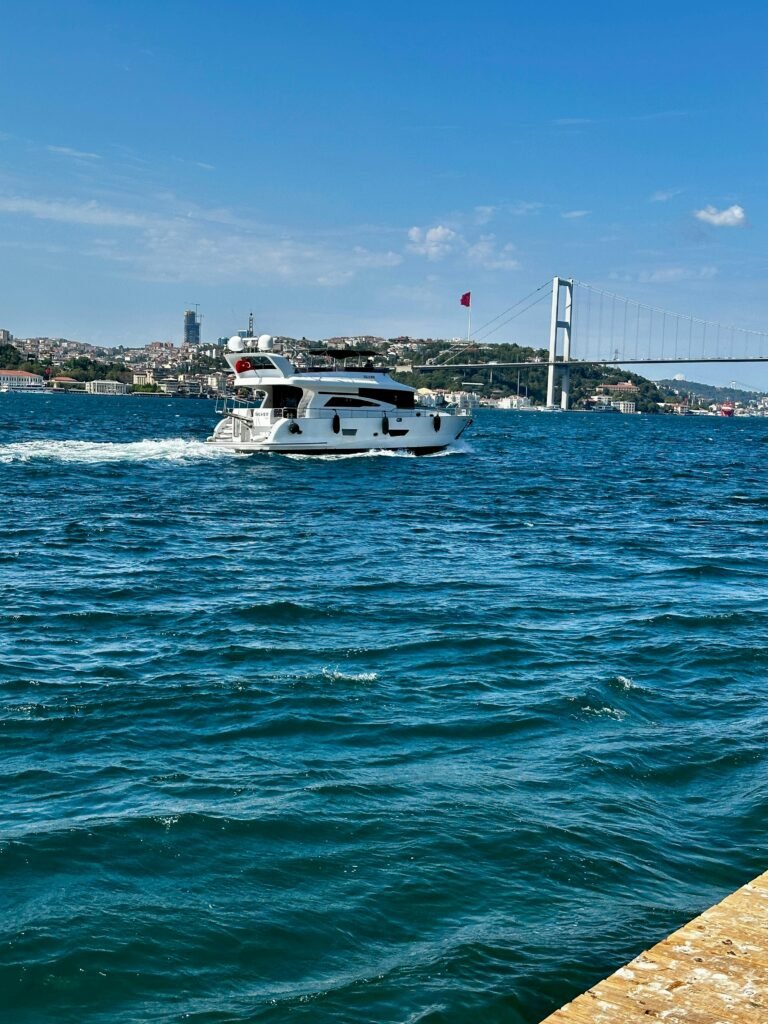
Take a ferry or a private cruise along the Bosporus for stunning views of palaces, bridges, and city skylines. Sunset cruises are especially magical.
8. Best Time to Visit
- Best overall – Spring (April–May) and autumn (September–October).
- Budget travel – Winter months for lower prices and fewer crowds.
9. Travel Tips for Istanbul
- Dress modestly when visiting mosques.
- Carry cash for markets and small shops.
- Public transport – Use trams, ferries, and buses; get an Istanbulkart for convenience.
- Watch for scams in tourist areas.
10. Day Trips from Istanbul
- Princes’ Islands – Car‑free islands perfect for cycling and relaxing.
- Bursa – Ottoman heritage city and famous for silk.
- Edirne – Former Ottoman capital with grand mosques.
11. Where to Stay
- Sultanahmet – Best for first‑time visitors, close to historic sites.
- Beyoglu – Trendy and vibrant.
- Besiktas – Upscale area with luxury hotels and Bosporus views.
Conclusion: Why Istanbul is a Must‑Visit
Istanbul is more than just a city — it’s a cultural bridge between continents, where ancient history meets modern vibrancy. From the majestic Hagia Sophia and bustling Grand Bazaar to the aroma of fresh Turkish coffee drifting through narrow alleys, the city captivates all senses.
For travelers in the Middle East niche, Istanbul offers a perfect blend of heritage, hospitality, and excitement. Whether you’re exploring for a few days or weeks, this city will leave you with memories that last a lifetime.