
 sahmiyesuldaan@gmail.com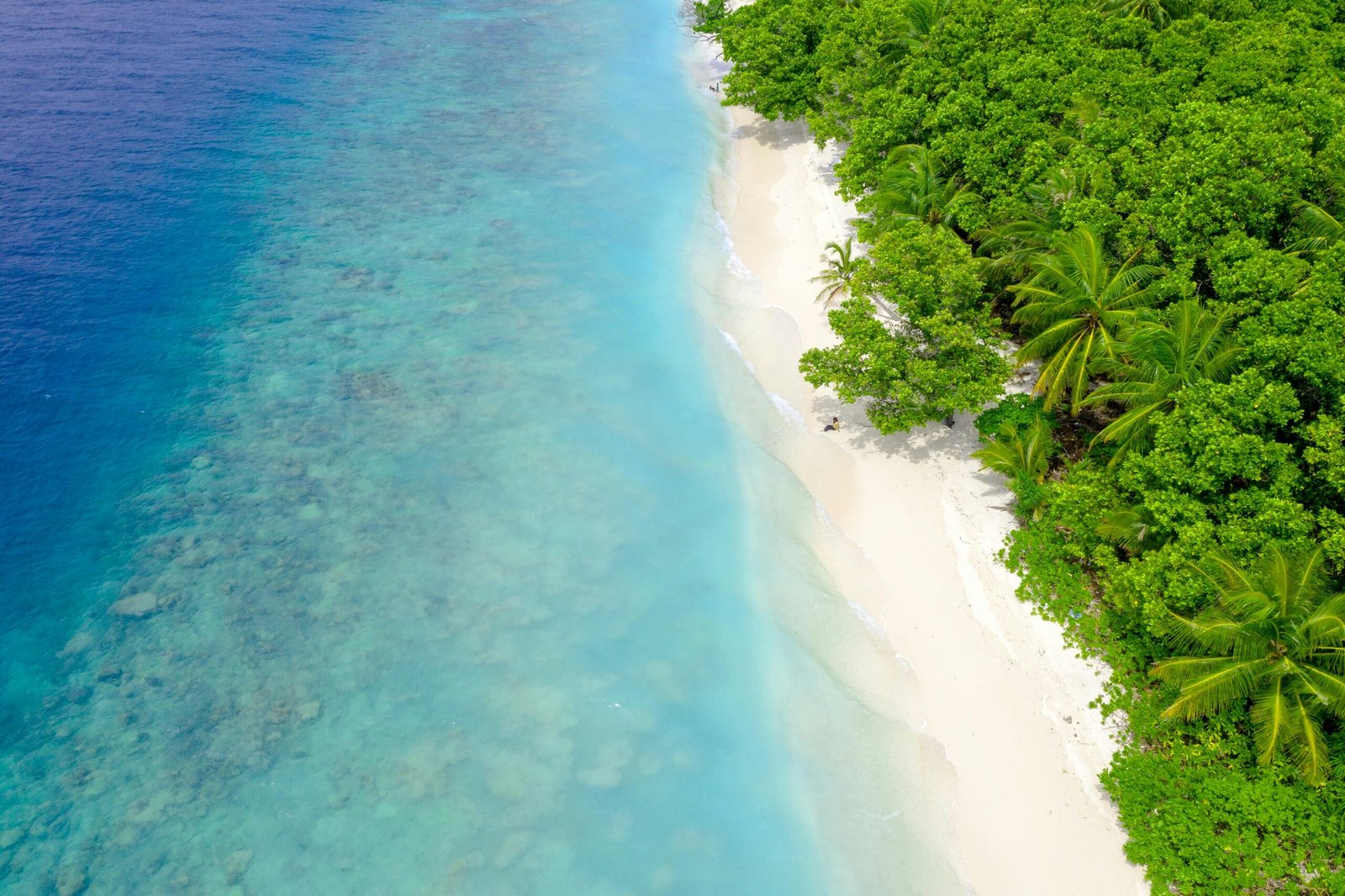
The Maldives is the kind of destination that appears in daydreams, on glossy magazine covers, and in countless social media posts — a tropical vision of crystal‑clear waters, white sandy beaches, and palm trees swaying gently in the breeze. Nestled in the Indian Ocean, southwest of Sri Lanka and India, this island nation is made up of about 1,200 small coral islands grouped into 26 natural atolls.
Known for its luxurious resorts, world‑class diving spots, and overwater villas, the Maldives has become a top bucket‑list destination for travelers seeking romance, relaxation, and adventure. Whether you’re a honeymooner dreaming of secluded beaches or a scuba diver chasing vibrant coral reefs, the Maldives offers an escape into paradise.
In this travel guide, we’ll explore everything you need to know about visiting the Maldives: from the best islands and resorts to exciting activities, cultural insights, and practical travel tips.
1. Geography and Climate
The Maldives is the lowest‑lying country in the world, with an average ground level of just 1.5 meters (4 feet 11 inches) above sea level. This gives it its unique flat, sandy landscapes and shallow lagoons, perfect for snorkeling and water sports.
Climate:
- Tropical and warm year‑round: Temperatures typically range from 25°C to 31°C (77°F to 88°F).
- Dry season (Northeast Monsoon): November to April — sunny, calm seas, and less rain.
- Wet season (Southwest Monsoon): May to October — more rain and humidity, but still plenty of sunshine and great for surfers.
The Maldives enjoys sunshine for most of the year, making it an ideal destination almost anytime, though December to March is peak season.
2. A Brief History of the Maldives
The Maldives has a rich history shaped by its strategic location along ancient trade routes. Traders from Arabia, India, and East Africa visited these islands for centuries, exchanging goods and cultural influences.
- Early settlers: Thought to be from South India and Sri Lanka.
- Islamic conversion: In 1153, the Maldives officially converted to Islam, which remains the state religion today.
- Colonial era: Controlled at different times by the Portuguese, Dutch, and British.
- Independence: Gained from Britain in 1965.
Today, the Maldives is known for peaceful living, hospitality, and tourism as its primary source of income.
3. Best Islands and Atolls to Visit
While the Maldives has over 1,000 islands, only some are inhabited or developed for tourism. Here are some of the most famous and beautiful ones:
Malé Atoll
- Home to the capital city Malé, the main entry point for most visitors.
- Close to several luxury resorts and popular diving spots.
- Great for first‑time visitors who want easy access to amenities.
Ari Atoll
- Famous for whale shark and manta ray sightings.
- Stunning coral reefs perfect for scuba diving and snorkeling.
- Many luxury resorts with overwater villas.
Baa Atoll (UNESCO Biosphere Reserve)
- Known for Hanifaru Bay, where manta rays gather in large numbers.
- Eco‑friendly resorts and pristine natural beauty.
Addu Atoll
- Southernmost atoll with unique heart‑shaped formation.
- Offers history, culture, and less‑crowded beaches.
4. Luxury Resorts and Overwater Villas
The Maldives is world‑famous for overwater villas — bungalows perched above turquoise lagoons with private decks, direct water access, and unmatched privacy.
Top resorts to consider:
- Soneva Jani – Ultra‑luxury with water slides from villas into the lagoon.
- Baros Maldives – Romantic, boutique‑style resort close to Malé.
- Gili Lankanfushi – Eco‑luxury, barefoot elegance.
- Conrad Maldives Rangali Island – Home to an underwater restaurant.
- COMO Maalifushi – Secluded luxury in the Thaa Atoll.
Resorts range from luxury-only islands to more affordable guesthouses on local islands for budget travelers.
5. Things to Do in the Maldives
The Maldives offers far more than just sunbathing. Here are top activities for your trip:
Snorkeling and Scuba Diving
- Explore coral reefs teeming with tropical fish.
- Spot manta rays, whale sharks, sea turtles, and reef sharks.
Water Sports
- Kayaking, jet skiing, windsurfing, kitesurfing, and paddleboarding.
Island Hopping
- Visit inhabited local islands and experience Maldivian culture.
- Discover deserted sandbanks for private picnics.
Sunset Cruises
- Sail into the horizon on a traditional dhoni boat.
- Watch dolphins play in the open waters.
Fishing Trips
- Try big‑game fishing or night fishing under the stars.
6. Maldivian Culture and Cuisine
Culture in the Maldives blends influences from South Asia, Arabia, and Africa.
- Language: Dhivehi (but English is widely spoken).
- Religion: Islam (visitors should respect local customs, especially on inhabited islands).
Cuisine features fresh seafood, coconut, and rice:
- Mas huni – Tuna, coconut, onion, and chili served with flatbread.
- Garudhiya – Fish soup served with rice and lime.
- Fihunu mas – Grilled fish with Maldivian spices.
7. Best Time to Visit
- High Season: December to March — sunny, calm seas, perfect for diving.
- Shoulder Season: April and November — fewer crowds, still great weather.
- Low Season: May to October — more rain, great for surfers, better resort deals.
8. Travel Tips for the Maldives
- Visa: Free 30‑day tourist visa on arrival for most nationalities.
- Currency: Maldivian Rufiyaa (MVR), but US dollars are widely accepted in resorts.
- Transport: Seaplanes, speedboats, and domestic flights connect islands.
- Dress Code: Swimwear is fine at resorts, but modest clothing is required on local islands.
- Budgeting: Expect higher prices at luxury resorts, but local guesthouses can be affordable.
9. Environmental Challenges
The Maldives faces serious threats from climate change and rising sea levels. The government is investing in sustainable tourism and coral reef protection. Visitors can help by choosing eco‑friendly resorts and respecting marine life.
Conclusion: Why the Maldives is Worth Every Moment
The Maldives is more than just a travel destination — it’s a sensory experience. From sunrises that turn the ocean pink to nights under a sky full of stars, every moment feels magical. It’s a place where time slows down, and the outside world fades away.
Whether you’re diving into vibrant coral gardens, dining in an underwater restaurant, or simply lying on the beach listening to the waves, the Maldives offers a kind of beauty and peace that’s hard to find anywhere else.
If paradise has an address, it’s surely in the Maldives.