
 sahmiyesuldaan@gmail.com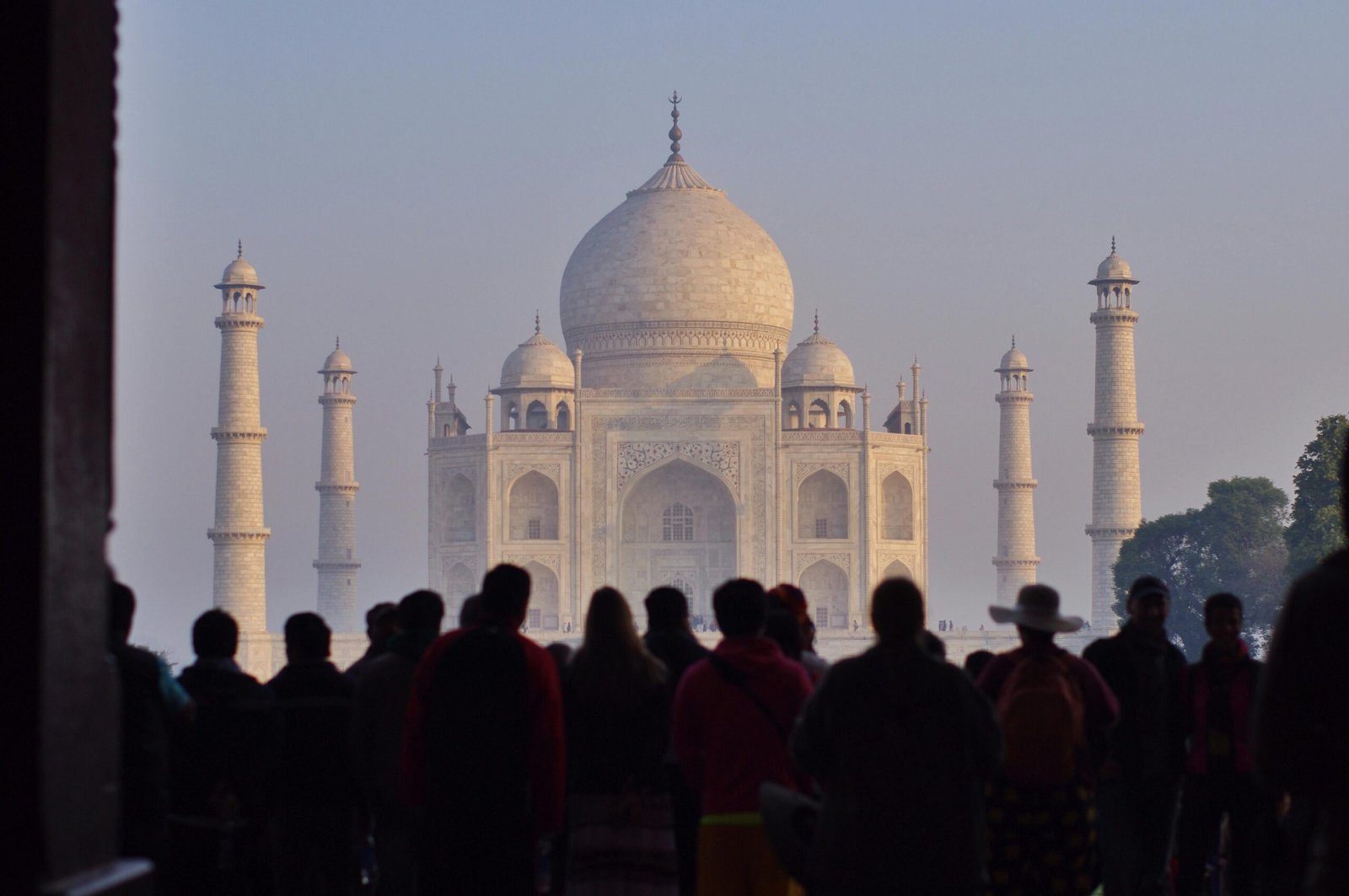
Introduction
India, the world’s largest democracy and seventh-largest country by land area, is more than just a destination—it’s an experience of a lifetime. Located in South Asia, India is a land of contrasts and diversity. From the snow-capped peaks of the Himalayas to the tropical beaches of Goa, from bustling megacities to peaceful rural villages, India offers travelers endless opportunities for discovery.
Known for its rich history, spiritual traditions, colorful festivals, and world-class cuisine, India attracts millions of visitors every year. It is a country where ancient heritage and modern progress coexist, creating a truly unique atmosphere.
1. India’s Rich Cultural Heritage
India’s culture is one of the oldest in the world, dating back thousands of years. It is a fusion of traditions, languages, religions, and art.
- Religion and Spirituality: India is the birthplace of Hinduism, Buddhism, Jainism, and Sikhism. Spiritual travelers often visit cities like Varanasi, Rishikesh, and Amritsar.
- Festivals: Holi (festival of colors), Diwali (festival of lights), Eid, Christmas, and regional celebrations reflect the spirit of unity in diversity.
- Art and Architecture: Ancient temples, Mughal forts, Rajput palaces, and colonial-era buildings tell stories of India’s past.
2. Must-Visit Cities in India
Delhi – The capital city, blending history with modernity. Visit the Red Fort, Qutub Minar, India Gate, and the lively bazaars of Chandni Chowk.
Agra – Home to the Taj Mahal, one of the Seven Wonders of the World, and the magnificent Agra Fort.
Jaipur – Known as the “Pink City,” Jaipur offers palaces, forts, and vibrant markets. Together with Delhi and Agra, it forms the famous Golden Triangle route.
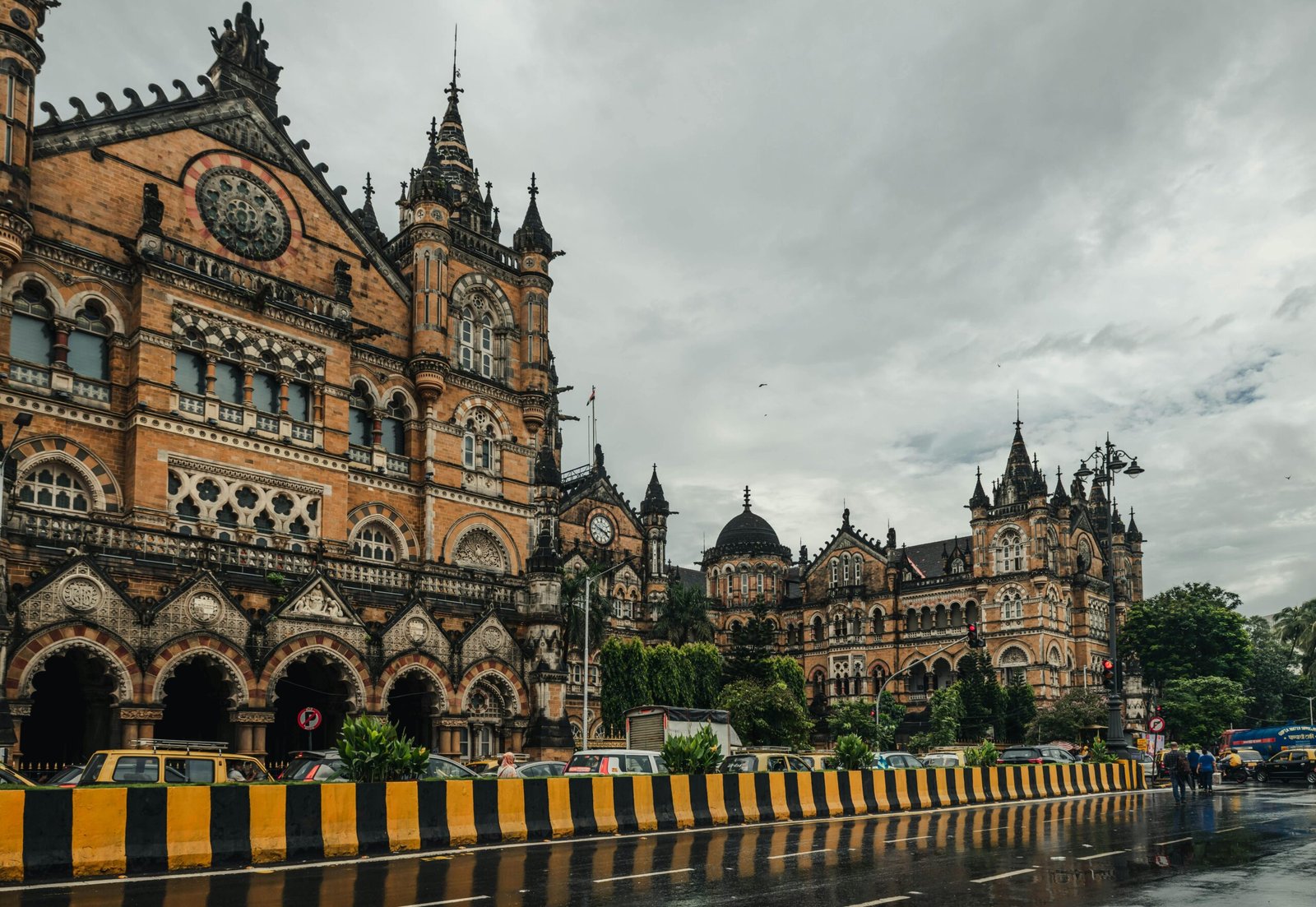
Mumbai – The financial capital of India, home to Bollywood, Marine Drive, and the Gateway of India.
Varanasi – The spiritual capital of India, where pilgrims bathe in the sacred Ganges River.
Bengaluru (Bangalore) – India’s tech hub, known as the “Silicon Valley of India.”
Kolkata – The cultural capital, famous for literature, art, and colonial architecture.
Chennai – A southern gem with temples, beaches, and rich classical music traditions.
3. Natural Wonders of India
India’s landscapes are as diverse as its culture.
- Himalayas: Perfect for trekking, mountaineering, and spiritual retreats in places like Ladakh and Himachal Pradesh.
- Thar Desert: Located in Rajasthan, offering camel safaris and desert camps under the stars.
- Kerala Backwaters: Serene houseboat rides surrounded by coconut palms and traditional villages.
- Goa Beaches: Famous for golden sands, nightlife, and Portuguese heritage.
- Wildlife Sanctuaries: India is home to Bengal tigers, elephants, and one-horned rhinoceroses in reserves like Ranthambore, Kaziranga, and Jim Corbett National Park.
4. Indian Cuisine: A Flavorful Journey
Indian food is as diverse as its regions, offering a blend of spices, flavors, and textures.
- North Indian Dishes: Butter chicken, naan, samosas, and biryani.
- South Indian Cuisine: Dosas, idli, sambar, and spicy seafood curries.
- Street Food: From pani puri in Mumbai to chaat in Delhi, street food is a must-try.
- Sweets: Gulab jamun, rasgulla, and jalebi are among the favorites.
- Drinks: Masala chai (spiced tea) and lassi are refreshing local beverages.
5. Festivals and Celebrations
India is a land of festivals, each filled with color, music, and joy.
- Holi: Celebrated with vibrant colors in March.
- Diwali: Festival of lights, symbolizing the victory of good over evil.
- Navratri & Durga Puja: Celebrations filled with music, dance, and devotion.
- Eid & Christmas: Showcasing India’s religious harmony.
6. Best Time to Visit India
India is a year-round destination, but the best time depends on the region.
- October to March: Pleasant weather for most parts of India, ideal for sightseeing.
- April to June: Hot summer, but perfect for hill stations like Shimla, Manali, and Darjeeling.
- July to September: Monsoon season, when the countryside turns lush and green.
7. Travel Tips for India
- Visa: Most travelers need an e-visa, which can be applied for online.
- Transport: Trains, domestic flights, and buses connect major cities. Autorickshaws are common in urban areas.
- Currency: Indian Rupee (INR). Digital payments are widely accepted.
- Health & Safety: Drink bottled water, be cautious with street food hygiene, and dress modestly in religious areas.
- Language: Hindi and English are widely spoken, but each region has its own language.
8. Shopping in India
India is a paradise for shoppers, offering unique souvenirs.
- Rajasthan: Handicrafts, jewelry, and textiles.
- Kashmir: Pashmina shawls and carpets.
- Kerala: Spices and traditional handicrafts.
- Delhi & Mumbai: Modern malls and local bazaars.
9. Day Trips and Excursions
- From Delhi: Agra, Jaipur, Rishikesh, Haridwar.
- From Mumbai: Elephanta Caves, Lonavala, Alibaug.
- From Bangalore: Mysore, Coorg, Hampi.
- From Chennai: Mahabalipuram, Pondicherry.
Conclusion
India is not just a destination—it is a universe of experiences. Its landscapes, traditions, history, and modern energy make it one of the most fascinating countries in the world. Whether you’re exploring ancient palaces, enjoying a yoga retreat in Rishikesh, or relaxing on a tropical beach in Goa, India will leave you with unforgettable memories.
Traveling to India is a journey of discovery, where every state, every city, and every village tells its own story. For those seeking adventure, spirituality, culture, or relaxation, India promises it all.