
 sahmiyesuldaan@gmail.com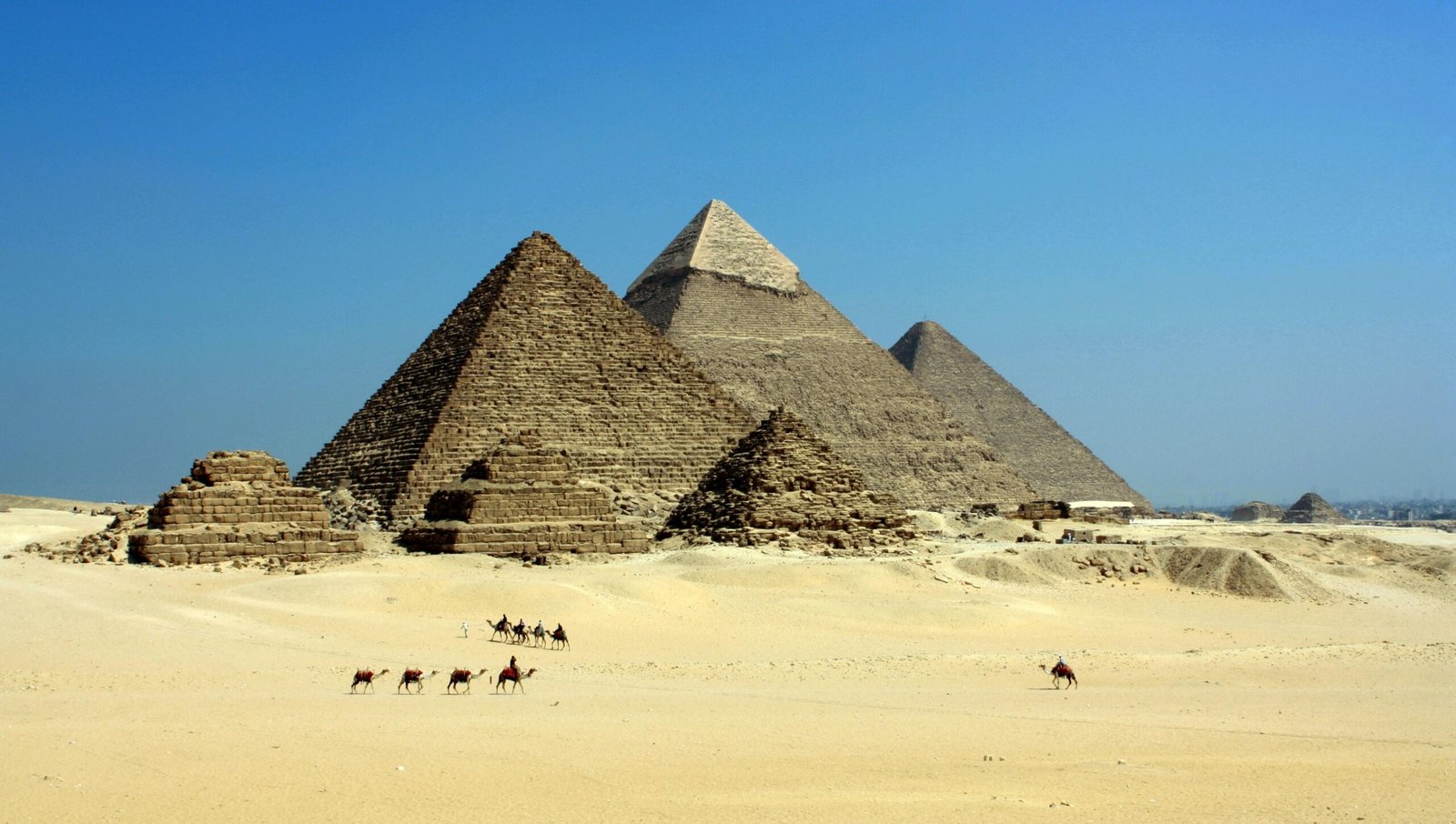
Introduction: The Timeless Heart of Egypt
Cairo, the sprawling “City of a Thousand Minarets,” is a living tapestry of ancient wonders and modern energy. As Africa’s largest city with 22 million people, it pulses with history – from the Pyramids of Giza to the medieval alleys of Islamic Cairo, all framed by the life-giving Nile River. This guide unveils Cairo’s layered soul, where donkey carts weave between neon-lit highways and call to prayer echoes past trendy cafés.
1. Ancient Wonders: Cairo’s Pharaonic Legacy
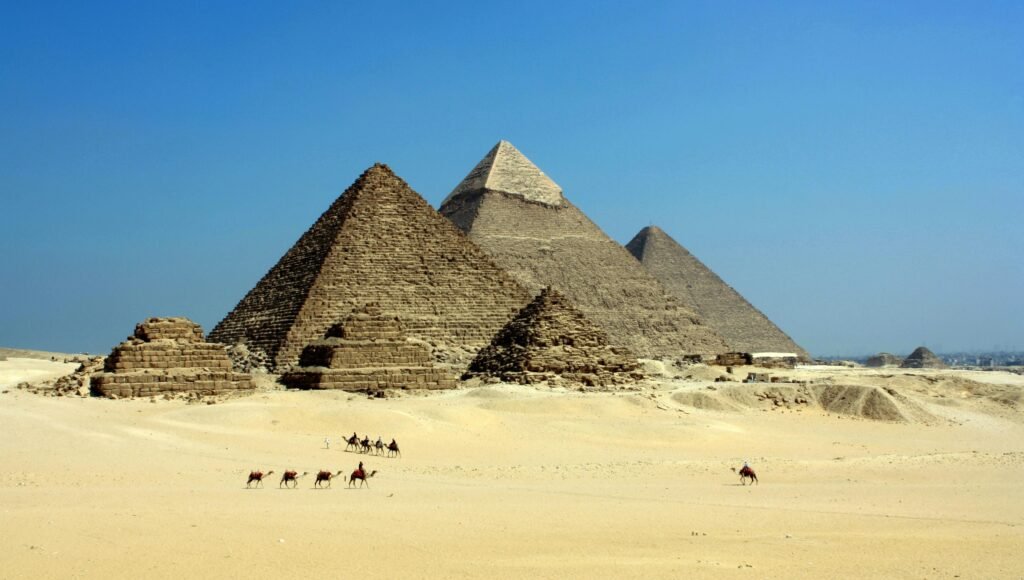
The Pyramids of Giza
Just 15 km from downtown, the last surviving Ancient World Wonder dominates the desert:
✔️ Great Pyramid of Khufu (2560 BCE): 481 feet tall, built with 2.3 million limestone blocks 110
✔️ Solar Boat Museum: Houses a reconstructed cedarwood pharaonic vessel
✔️ Sound & Light Show: Projections bring ancient stories to life after dark
Pro Tip: Enter the Pyramid of Khafre’s burial chamber at opening time to avoid crowds.
Saqqara & Memphis
- Step Pyramid of Djoser (2650 BCE): World’s oldest stone monument, designed by Imhotep 1
- Memphis Open-Air Museum: Features a colossal limestone statue of Ramses II
2. Historic Cairo: Islamic and Coptic Treasures
Islamic Cairo’s Architectural Marvels
| Site | Highlight | Era |
|---|---|---|
| Mosque of Ibn Tulun | Spiral minaret with outer staircase | 9th century |
| Al-Azhar Mosque | World’s oldest university (founded 970 CE) | Fatimid |
| Sultan Hassan Mosque | Mamluk-era masterpiece with 81m minarets | 14th century |
Coptic Cairo
✦ Hanging Church: Built atop Roman fortress gates with ivory-inlaid screens
✦ Ben Ezra Synagogue: Believed site where baby Moses was found
✦ Coptic Museum: Houses early Christian textiles and Nag Hammadi manuscripts
3. Modern Cairo: Africa’s Bustling Metropolis
Downtown’s Belle Époque Splendor
- Khedivial Opera House: Rebuilt in 1988 after fire, hosts ballet and Arabic concerts
- Cairo Tower (187m): Lotus-shaped with 360° city views from its rotating restaurant
- Street Art: Murals revitalize buildings in the “Downtown Reimagined” project
Nile River Life
→ Feluccas: Sunset sails past luxury hotels and riverine islands
→ Qursaya Island: Fishing villages resisting urbanization 4
→ Nile Corniche: Jogging paths and floating restaurants with tanoura dance shows
4. Cultural Experiences: From Souks to Sufi Ceremonies
Khan el-Khalili Bazaar
- Best Buys: Brass lanterns, papyrus art, kohl eyeliner pots
- Historic Cafés: El-Fishawi (est. 1797), frequented by Nobel laureate Naguib Mahfouz
- Gold Market: Haggle for 21k jewelry in narrow alleyways
Performing Arts
- Whirling Dervishes: Weekly Sufi rituals at Al-Ghouri Complex
- Umm Kulthum Museum: Honors Egypt’s legendary “Star of the East” singer
5. Culinary Journey: Flavors of Cairo
Must-Try Dishes
- Koshari: Lentils, pasta, and crispy onions at Abou Tarek
- Ful Medames: Slow-cooked fava beans with tahini
- Konafa: Cheese-filled dessert drizzled with syrup
Dining with Views
✔️ Sequoia (Zamalek): Lebanese mezze by the Nile
✔️ 9 Pyramids Lounge: Unobstructed Giza views
6. Day Trips & New Developments
The New Administrative Capital
45 km east, this $100 billion megaproject features:
- Iconic Tower: Africa’s tallest at 385m 4
- Green River: Park network larger than Central Park
- Controversies: Critics cite affordability gaps and car-centric design 4
Desert Adventures
- Wadi Degla: Canyon hiking near the city
- Fayoum Oasis: Waterfalls and Roman-era ruins
7. Practical Travel Guide
Best Times to Visit
- October-April: Pleasant 18-25°C temps
- Avoid June-August: Scorching 35-40°C heat
Getting Around
- Metro: Africa’s first subway (Line 3 expands to Giza in 2025)
- Ride Apps: Uber/Careem cheaper than taxis
Responsible Tourism Tips
✓ Hire local guides at lesser-visited sites like Dahshur
✓ Support Nubian House handicraft cooperatives
Conclusion: The Eternal City’s Paradox
Cairo overwhelms and enchants in equal measure – a place where children play football beside 4,500-year-old tombs, where skyscrapers cast shadows on Ottoman palaces. More than any other city, it embodies Egypt’s enduring dialogue between past and future. As novelist Alaa Al Aswany wrote: “In Cairo, time doesn’t pass; it accumulates.”