
 sahmiyesuldaan@gmail.com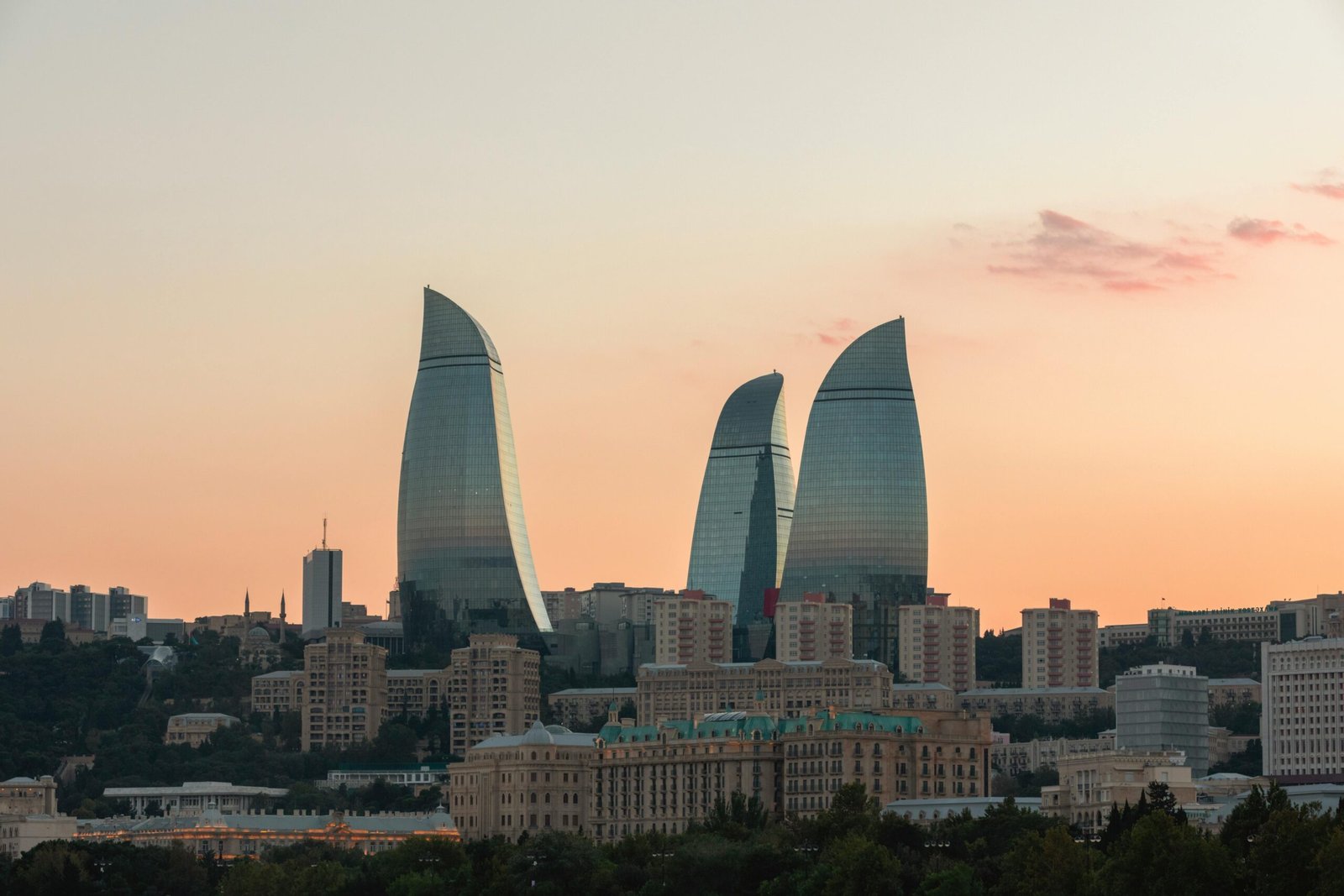
Introduction: The Phoenix City of the Caspian
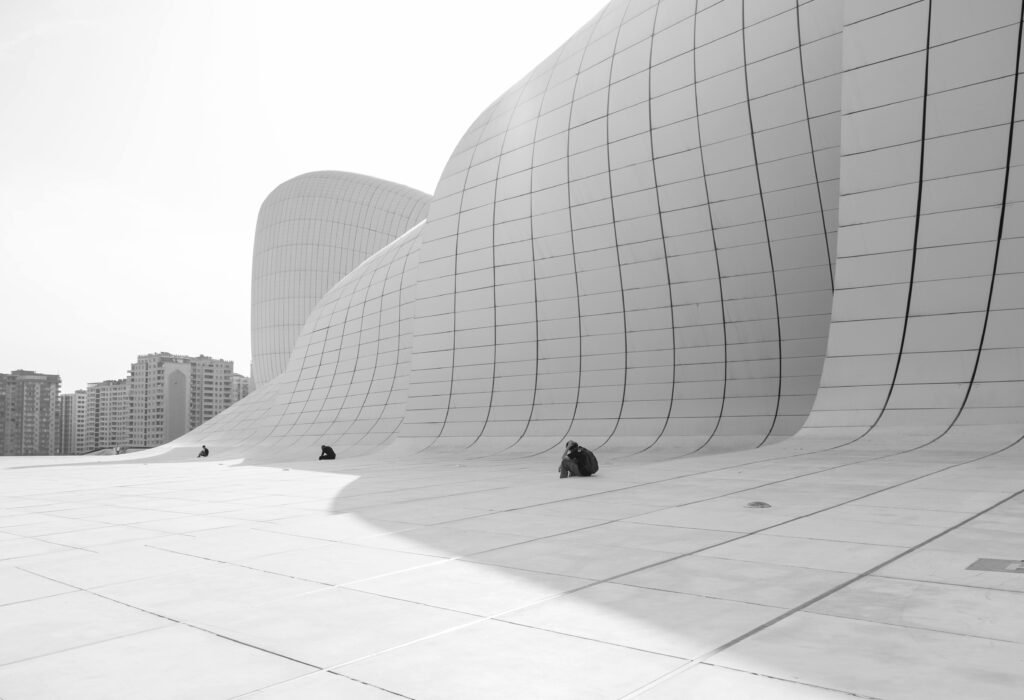
Baku, Azerbaijan’s capital, rises like a phoenix from the Caspian shores—a city where Zoroastrian fire temples whisper beneath Art Nouveau palaces, and where oil derricks dance with glass skyscrapers. This 2,000-year-old metropolis, straddling Europe and Asia, offers a mesmerizing journey from medieval walls to the avant-garde Heydar Aliyev Center. With its UNESCO-listed Old City and flame-shaped towers, Baku is a living canvas of East-meets-West innovation 35.
1. Architectural Time Capsule: Layers of History
Icherisheher (Old City)
Encircled by 12th-century walls, this UNESCO World Heritage site harbors:
✔️ Palace of the Shirvanshahs (15th century): A sandstone complex with royal tombs and a hexagonal court 5
✔️ Maiden Tower (12th century): A mysterious cylindrical tower linked to legends of a lovelorn princess 3
✔️ Caravanserais: Ancient inns like the 14th-century Bukhara Caravanserai, now artisan workshops
Oil Boom Extravaganza (1870s–1914)
Baku’s “black gold” rush birthed flamboyant architecture:
- Philharmonic Hall: A Moorish-Revival masterpiece by Gabriel Ter-Mikelov (1912)
- Ismailiyya Palace: Venetian Gothic splendor housing the Academy of Sciences 3
- Taghiyev’s Mansion: Neo-Renaissance home of the “oil king,” now the National History Museum
Soviet Modernism
The 20th century added stark contrasts:
→ Government House (1952): Stalinist neoclassicism with Azeri motifs 3
→ Mirvari Café (1959): A flying-saucer-like Soviet modernist icon on the boulevard
2. The Oil Revolution: From Derricks to Diversification
The World’s First Oil Boom
- 1846: First industrial oil well drilled in Bibi-Heybat
- 1901: Baku produced 50% of global oil, outpacing Texas 5
- Nobel Brothers: Pioneered pipelines and tankers, founding the oil-tanker fleet in 1878
Modern Energy Hub
- Baku-Tbilisi-Ceyhan Pipeline: 1,768 km lifeline exporting Caspian oil to Europe 2
- Crescent Development: A $2 billion moon-shaped hotel and skyscraper complex 4
3. Cultural Crossroads: Zoroastrian Roots to Contemporary Arts
Religious Harmony
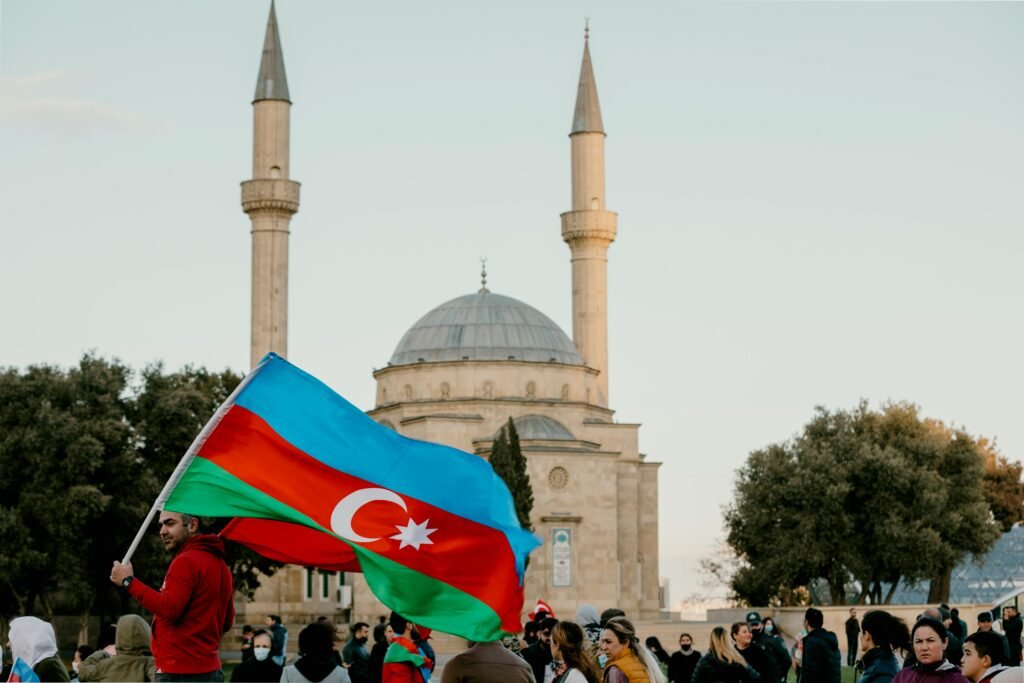
- Taza Pir Mosque (1914): A neo-Islamic gem with gold-leaf domes 3
- Mountain Jews’ Quarter: Home to Europe’s last surviving Jewish shtetl
- Ateshgah Fire Temple: A Zoroastrian shrine atop natural gas vents
Arts & Festivals
- Mugham Music: UNESCO-listed Azeri jazz-infused folk
- Baku Jazz Festival: Fusing traditional kamancha with modern beats
- Contemporary Art: YARAT Center showcasing Caspian-region artists
4. Urban Innovations & Green Spaces
Baku Boulevard
A 25-km Caspian promenade featuring:
✔️ Carpet Museum: Shaped like a rolled rug
✔️ Little Venice: Canals with gondola rides
✔️ Flame Towers: LED-clad skyscrapers that “dance” with fire animations
Sustainable Projects
- White City: Eco-district on reclaimed oil fields
- Gilan Island: Artificial archipelago for luxury housing
5. Culinary Journey: From Royal Plov to Street Food
Must-Try Dishes
- Plov: Saffron rice with chestnuts, baked in lamb fat
- Dushbara: Tiny dumplings in broth
- Shekerbura: Nut-filled pastries for Nowruz
Historic Eateries
- Firuze Restaurant: Soviet-era classic serving piti (clay-pot stew)
- Chayki: Tea house with Caspian views and baklava
6. Day Trips & Hidden Gems
Beyond the City
- Gobustan: UNESCO site with 40,000-year-old petroglyphs
- Yanar Dag: Eternal flames from natural gas seepages
Local Secrets
- Book Market near Fountains Square: Soviet-era collectibles
- Baku’s Underground Baths: 14th-century hammams still in use
Conclusion: The City of Contradictions
Baku is where oil barons once lit cigars with banknotes, and where today’s architects sculpt curves that defy gravity. As historian Gani Nasirov observes: “Every alley here tells three stories—Persian, Soviet, and a future still being written.” Whether wandering Icherisheher’s labyrinth or gazing at the Crescent Hotel’s lunar silhouette, visitors witness a city eternally reinventing itself 36.