
 sahmiyesuldaan@gmail.com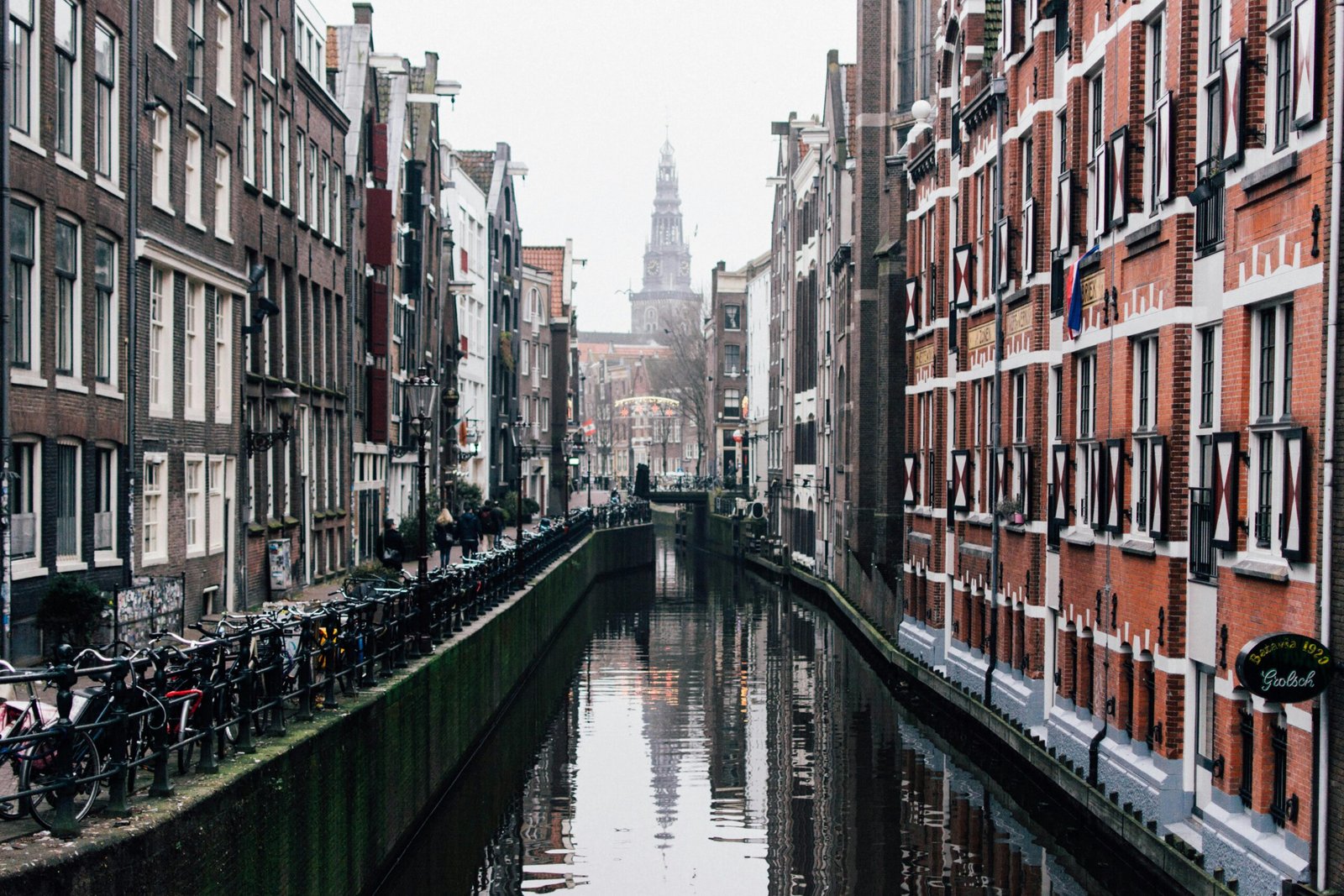
Introduction: The Venice of the North
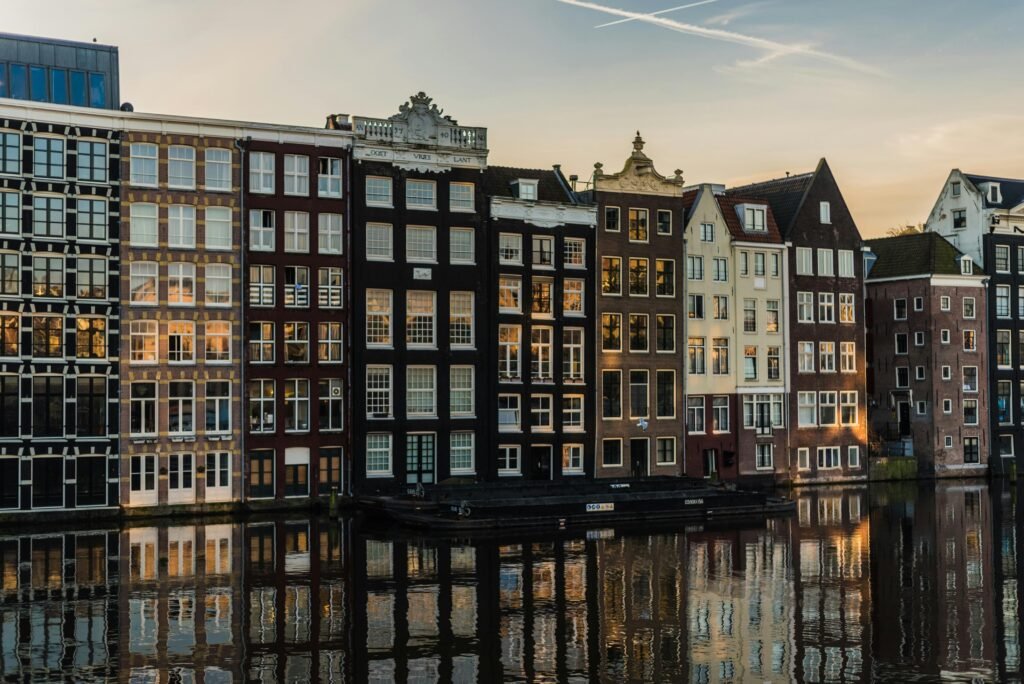
Amsterdam, the Dutch capital built on 11 million wooden piles, is a mesmerizing blend of 17th-century canals, avant-garde architecture, and progressive culture. From the leaning gabled houses of the Grachtengordel to the cutting-edge designs of the NDSM wharf, this city of bicycles and bridges offers an unforgettable journey through time and innovation.
1. Architectural Evolution: From Wooden Shacks to Stone Masterpieces
The Great Rebuilding (1521–1578)
After a devastating 1452 fire destroyed 75% of the city, Amsterdam transitioned from timber to brick construction:
✔️ Imperial Decree of 1521: Charles V mandated stone buildings within city walls 18
✔️ Unique Foundations: Houses built on wooden piles driven into sandy clay, with cowhide waterproofing beneath basements 11
✔️ Survivors: Only two wooden houses remain today, including the 1530 Houten Huys on Begijnhof 8
Golden Age Innovations
The 17th century saw:
- Canal Houses: Narrow, deep buildings with hoisting beams to lift goods to attics 11
- Gabled Facades: Step, bell, and neck gables reflecting owners’ wealth
- Hidden Churches: Like Ons’ Lieve Heer op Solder, concealed in attics during Catholic persecution
2. Waterways: The Lifeblood of the City
Canal Ring (Grachtengordel)
This UNESCO-listed network includes:
| Canal | Highlights |
|---|---|
| Herengracht | Golden Bend’s widest mansions |
| Keizersgracht | Hidden courtyard gardens |
| Prinsengracht | Anne Frank House & Noordermarkt |
Modern Water Management
- IJburg: Artificial islands housing 45,000 residents
- Amstel River: Source of the city’s name (“Dam on the Amstel”)
3. Cultural Tapestry: Art, Tolerance & Nightlife
Museum District
- Rijksmuseum: 8,000 artworks including Rembrandt’s Night Watch
- Van Gogh Museum: Largest collection of the artist’s works
- Stedelijk: Mondrian and De Stijl movement masterpieces
Progressive Legacy
- World’s First Stock Exchange (1602, now Beurs van Berlage)
- Coffee Shop Culture: Since 1976’s tolerance policy
- LGBTQ+ Rights: Hosted first gay marriage (2001)
4. Sustainable Urban Living
Bicycle Infrastructure
- 881,000 bikes (more than residents)
- 515 km of dedicated cycle paths
Green Initiatives
- Canal Boats: 75% now electric
- Roof Gardens: 45,000 m² atop buildings
5. Hidden Gems & Local Secrets
Offbeat Experiences
- De Poezenboot: Floating cat sanctuary
- Electric Ladyland: World’s only fluorescent art museum
- NDSM Wharf: Street art mecca in repurposed shipyards
Culinary Delights
- Stroopwafels: Freshly made at Albert Cuyp Market
- Herring: Raw fish with onions from street carts
- Jenever: Dutch gin in historic tasting rooms
Conclusion: A City of Contrasts
Amsterdam charms with its ability to preserve 400-year-old canal houses while pioneering urban innovation. As architect Rem Koolhaas observed: “This is a city where the past and future don’t just coexist—they collaborate.”